
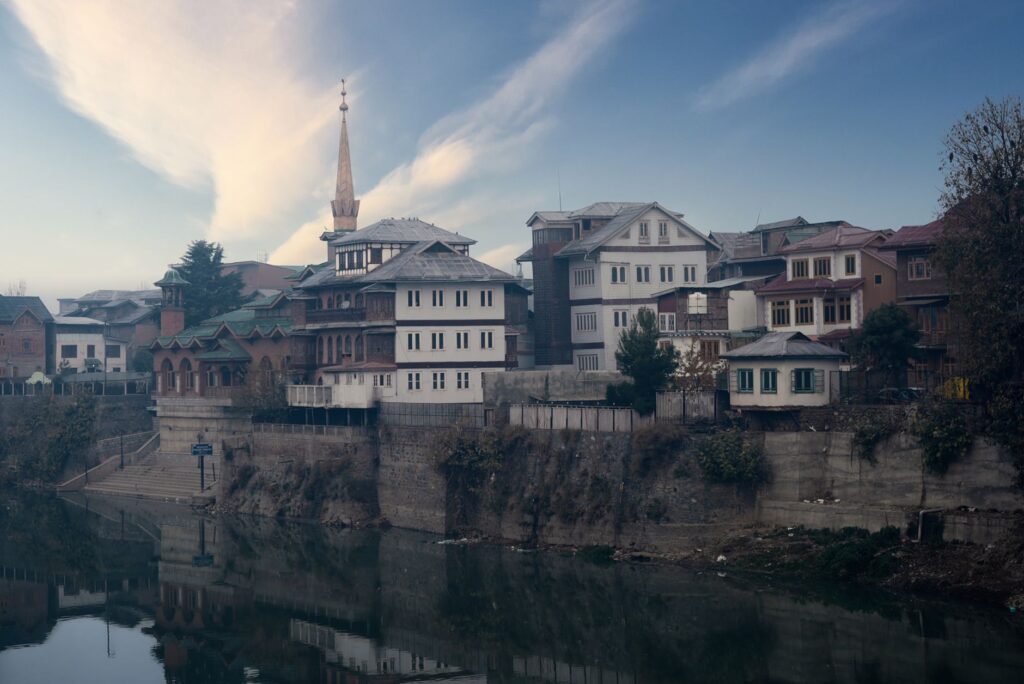
The 3-Hour Srinagar Old City Heritage Tour is the most efficient and rewarding way to explore the labyrinthine bazaars, centuries-old shrines, and living craft traditions of Maharaj Gunj and Nowhatta. If you want to shop smart, see authentic Kashmiri artisanship up close, and return home with genuinely meaningful purchases, this guided walk through Old Srinagar delivers exactly that — all before lunch.
At a Glance: 3-Hour Srinagar Old City Heritage Tour Details
| Detail | Information |
|---|---|
| Duration | 3 Hours |
| Location | Srinagar Old City (starting point: Nowhatta Chowk) |
| Experience Type | Heritage Walking Tour |
| Price | ₹2,800 per person (INR) |
| Included | Traditional Kashmiri Kahwa Tea with Kashmiri breads |
| Availability | Year-round, daily (Monday to Sunday) |
| Operating Hours | 08:00 – 17:00 |
| Status | Open — Daily departures available |
| Meeting Point | Nowhatta Chowk, Old City, Srinagar 190002 |
Why Old Srinagar’s Bazaars Deserve a Dedicated Morning
Most visitors to Srinagar spend their time on Dal Lake or in the Mughal gardens, and while those experiences are undeniably beautiful, they can feel polished and tourist-ready. Old Srinagar is different. The neighbourhoods of Maharaj Gunj and Nowhatta have been trading hubs for well over five centuries, and in 2026 they remain remarkably alive — not as museum pieces, but as functional, breathing commercial and social centres where wholesale spice dealers operate next door to papier-mâché painters who learned their craft from their grandfathers.
Shopping here is not a passive experience. Prices are negotiated, tea is offered, and conversations about technique and family history naturally become part of every serious purchase. Arriving without local knowledge — or without understanding which lane leads to embroiderers versus which leads to dried-fruit traders — means hours of wandering that could be spent making genuinely informed choices. The heritage walking tour is designed specifically to remove that friction.
What the 3-Hour Srinagar Old City Heritage Tour Covers
The tour begins at Nowhatta Chowk, the historic intersection that has served as the commercial heart of Old Srinagar since the Sultanate period. From there, a knowledgeable local guide leads small groups through a carefully sequenced route that balances landmark visits with market immersion.
Landmarks Along the Route
- Jamia Masjid: The grand Friday mosque, first built in 1394 CE, is a masterpiece of Indo-Saracenic wooden architecture. Its courtyard, supported by 378 wooden columns carved from deodar cedar, sets the aesthetic tone for everything you will see in the old city that day.
- Khanqah-e-Moula (Shah-e-Hamdan Shrine): Arguably the most ornate Sufi shrine in Kashmir, dedicated to Mir Syed Ali Hamadani who is credited with introducing Kashmiri crafts — including papier-mâché and carpet weaving — from Persia in the 14th century. Standing inside its carved walnut-wood interior, the connection between spirituality and craft becomes viscerally clear.
- Rozabal Shrine: One of Srinagar’s more quietly discussed sacred sites, tucked into a residential lane of the Khanyar neighbourhood. Its presence on the route adds genuine depth to the cultural narrative of the old city.
- Maharaj Gunj Bazaar: The wholesale and retail heart of Old Srinagar, where dry fruits, saffron, walnuts, and Kashmiri spices are sold from open sacks. This is the best place in the city to buy food products to take home.
- Nowhatta Bazaar: Traditionally the neighbourhood of artisans and skilled craftspeople. The lanes here contain active workshops where you can watch sozni embroidery, papier-mâché lacquering, and copper engraving being practised in real time.
The Kahwa Tea Ceremony
The tour concludes at a neighbourhood chai house where guests are served traditional Kashmiri Kahwa tea — a saffron-and-cardamom-infused green tea prepared in a brass samovar — alongside freshly baked Kashmiri breads including girda and tsot. This is not a tourist performance. The guide will explain the cultural significance of the Kahwa ceremony and the specific combination of ingredients used, which can vary by household and season. It is a genuine and unhurried ending to three hours of sensory immersion.
What to Buy in Maharaj Gunj and Nowhatta Bazaars
Understanding what to buy — and just as importantly, what to avoid — is the practical core of any good shopping guide to Old Srinagar. The following categories represent genuine best buys from these two markets.
Papier-Mâché (Kari-Kalamdani)
Introduced to Kashmir via the Shah-e-Hamdan shrine’s artisan community, papier-mâché work from Old Srinagar is among the finest in the world. Look for pieces where the lacquer has multiple layers of depth, where fine brushwork includes gold or silver detail, and where the craftsman can name the specific motifs (chinar leaf, lotus, kingfisher). On the tour, you will visit active workshops where this distinction between high-quality and tourist-grade work becomes immediately visible. Prices for a genuine medium-sized box from a Nowhatta workshop typically range from ₹800 to ₹3,500 depending on complexity; avoid mass-produced pieces sold near Dal Lake for a fraction of the price, as they use printed transfer paper rather than hand painting.
Saffron (Kesar)
Kashmir produces some of the world’s most prized saffron, primarily from the Pampore fields south of Srinagar. Maharaj Gunj is the best place in the city to buy it from dealers who source directly from growers. A reliable standard is the Mongra or Grade A saffron — deep red threads with no yellow tips. Expect to pay ₹250–₹400 per gram for genuine product in 2026; anything significantly cheaper warrants skepticism. The Spices Board of India provides certification guidelines that reputable Maharaj Gunj dealers are familiar with and often display.
Sozni Embroidery
This needle embroidery style — worked entirely from the reverse of the fabric — is one of Kashmir’s most technically demanding crafts. Genuine sozni shawls and stoles show dense floral patterns that are identical on both sides of the fabric. In Nowhatta’s workshop lanes, you can watch craftswomen (and some craftsmen) working on pieces that take months to complete. A single-needle sozni stole starts at approximately ₹4,000 for synthetic fabric and ₹12,000 and upward for genuine pashmina. The guide on the heritage tour is invaluable for helping you identify genuine handwork versus machine embroidery.
Dry Fruits and Walnuts
Maharaj Gunj is wholesale territory for Kashmiri walnuts, almonds, dried apricots, and dried mulberries. Buying here rather than from hotel-adjacent shops can cut prices by 30–50%. Kashmiri walnuts are distinctively thin-shelled and rich in oil; ask for kagzi variety for the finest quality. Dried apricots from the Ladakh-border regions are sweeter and more intensely flavoured than anything available at standard supermarkets.
Copper and Brassware
The coppersmith tradition of Old Srinagar — known locally as thatheras — produces samovars, degchis (cooking pots), and decorative trays through hand-hammering techniques. A working Kashmiri samovar from a Nowhatta workshop makes an extraordinary and functional souvenir. Prices for a medium decorative samovar begin around ₹3,500; fully functional heating models are higher. The craftsmanship on these pieces is generational and immediately distinguishable from imported pressed-metal alternatives.
Kashmiri Spices and Teas
Beyond saffron, Maharaj Gunj dealers stock aromatic blends including Kashmiri chilli powder (which gives rogan josh its distinctive brick-red colour without excessive heat), whole dried cockscomb flowers used in traditional cooking, and pre-mixed Kahwa tea blends with green tea, cardamom, cinnamon, and dried rose petals. These are lightweight, travel-friendly, and genuinely hard to source outside the valley.
How to Navigate the Bazaars: Practical Tips for 2026
Getting There
Nowhatta Chowk is approximately 3 kilometres from the Dal Lake houseboat belt and 4 kilometres from Lal Chowk. Auto-rickshaws are the most practical transport; a shared tempo-traveller route also runs from Lal Chowk to Nowhatta. If you have arranged a Kashmir tour taxi, ask your driver to drop you at the Nowhatta Chowk mosque end rather than the outer ring road, as the inner lanes are not accessible by car.
Best Time to Arrive
The heritage tour departs between 08:00 and 17:00 daily. An 08:30 or 09:00 start is ideal — the bazaars are at their most photogenic in morning light, the craft workshops are freshly active, and the heat (even in summer) is manageable before 11:00. Friday mornings around Jamia Masjid are particularly atmospheric before the midday prayer when the mosque fills, though expect some crowding near the entrance.
What to Wear
Old Srinagar is a conservative neighbourhood. Women are advised to carry a light dupatta or scarf for shrine visits; both men and women should avoid shorts. The lanes are cobblestoned and uneven — flat, closed-toe shoes are strongly preferable to sandals or heels. In winter (November to February), the cold is significant; layering is essential as you will move between cold outdoor lanes and warm workshop interiors frequently.
Bargaining Etiquette
Bargaining is standard practice in the bazaars and expected by sellers, but it should be conducted respectfully and with genuine intent to buy. A reasonable opening counter-offer is 60–70% of the initial asking price for craft items. Food products like saffron and dry fruits have less negotiating room as wholesale prices are relatively fixed. Having a guide from the heritage tour with you during purchases is a significant advantage — local guides are known to vendors and their presence generally ensures you are shown genuine quality merchandise at fair prices.
Cash and Payments
The majority of Old City vendors still prefer cash in 2026, though UPI payments have become widely accepted even in smaller workshops. ATMs are available at Lal Chowk before entering the old city; carry sufficient cash in smaller denominations (₹100 and ₹500 notes) for smooth transactions in the interior lanes.
Maharaj Gunj vs. Nowhatta: Understanding the Difference
| Market | Character | Best For | Price Level |
|---|---|---|---|
| Maharaj Gunj | Wholesale and mixed retail; open, wider lanes | Saffron, dry fruits, spices, Kahwa tea blends | Competitive wholesale pricing |
| Nowhatta | Artisan quarter; narrower lanes, workshop access | Papier-mâché, sozni embroidery, copperware | Mid-to-high; reflects genuine craft value |
Both markets reward exploration and are most meaningfully experienced together, which is precisely why the heritage tour covers both rather than choosing one over the other. A solo visit to just one risks missing the full economic and cultural picture of Old Srinagar’s trading identity.
What Makes the Guided Tour Worth ₹2,800
At ₹2,800 per person with Kahwa tea and breads included, the 3-Hour Srinagar Old City Heritage Tour is priced well within the range of a single impulsive, uninformed purchase that turns out to be machine-made rather than handcrafted. The value proposition is straightforward: the guide’s knowledge prevents expensive mistakes, opens workshop doors that are not accessible to unaccompanied visitors, provides historical context that transforms a shopping trip into a genuinely educational cultural experience, and ensures you see Jamia Masjid, Khanqah-e-Moula, and Rozabal with informed commentary rather than as anonymous buildings passed on the street.
The tour operates year-round, seven days a week, from 08:00 to 17:00, meaning it fits around every Kashmir itinerary regardless of season or departure timing. Winter visits have their own particular atmosphere — the lanes quieter, the Kahwa ceremony more restorative, the wooden architecture of the shrines dramatic against snow-covered rooftops.
Combining the Old City Tour with Your Kashmir Itinerary
The three-hour duration makes the Srinagar Old City Heritage Tour the ideal morning activity on either arrival day (before checking into a houseboat) or on a free morning between excursions to Gulmarg, Sonamarg, or Pahalgam. Since the tour ends by midday at the latest (depending on your start time), the afternoon remains fully available for Dal Lake shikhara rides, Mughal garden visits, or onward road travel.
Visitors on multi-day Kashmir tour packages should request that their tour operator include this walking tour as a standalone half-day activity rather than a rushed add-on. The old city deserves unhurried attention, and the three hours allocated by this tour are genuinely well-paced — not rushed, not padded.
Frequently Asked Questions
Is the Old City bazaar tour suitable for elderly visitors or those with mobility limitations?
The route involves walking on cobblestone and uneven paved surfaces for approximately 2–3 kilometres over three hours. There are no significant inclines, but the lane surfaces are irregular. Visitors with mobility aids should inform the operator in advance; portions of the route can be adjusted, though some narrow workshop lanes may not be fully accessible to wheelchairs.
Can I buy directly from artisan workshops during the tour?
Yes. The guide facilitates direct workshop visits where purchases can be made from the craftspeople themselves. This is one of the most significant advantages of the guided format — buying directly from the artisan rather than from a retail intermediary typically results in better pricing, provenance certainty, and the opportunity to commission custom work for later delivery.
Is the Kahwa tea ceremony at the end included in the price?
Yes. Traditional Kashmiri Kahwa tea served with Kashmiri breads at a local chai house is fully included in the ₹2,800 per person tour price. No additional charge applies.
Are the shrines — Khanqah-e-Moula and Rozabal — open to non-Muslim visitors?
Khanqah-e-Moula (Shah-e-Hamdan shrine) welcomes visitors of all backgrounds, though modest dress and removal of footwear at the entrance are required. Non-Muslim visitors are not permitted inside the innermost sanctum but can observe the extraordinary carved wooden exterior and the main hall. The guide will brief all participants on appropriate etiquette before each shrine visit.
What languages does the guide speak?
Guides conducting this tour are fluent in English and Hindi. Urdu and Kashmiri are also spoken. If you require a guide in another language, contact the operator in advance to check availability.
Is the tour available in winter when Kashmir receives heavy snowfall?
The tour operates year-round, including in winter months. Old City lanes are generally cleared and passable even after snowfall. Winter departures between 09:00 and 10:00 are recommended to maximise daylight hours and allow for the most comfortable walking conditions. The Kahwa ceremony at the end of a winter morning tour is particularly memorable.
How do I get to Nowhatta Chowk from Dal Lake?
Auto-rickshaws from the Dal Lake boulevard to Nowhatta Chowk take approximately 15–25 minutes depending on traffic and cost ₹80–₹150 for a shared ride or ₹200–₹300 for a private auto. If you have a Kashmir tour taxi arranged, your driver can drop you directly at the meeting point on Nowhatta Chowk near the old city mosque.
Can I customise the tour to focus more on shopping and less on shrines?
The standard itinerary balances heritage landmarks with bazaar immersion, and the ratio works well for most participants. If your primary interest is craft shopping, mention this preference at booking — the guide can allocate additional time in the Nowhatta workshop lanes and move more efficiently through the shrine visits without sacrificing the essential cultural context that makes the shopping experience meaningful.
Practical Information Summary
- Meeting Point: Nowhatta Chowk, Old City, Srinagar 190002
- GPS Coordinates: 34.0926° N, 74.8070° E
- Tour Price: ₹2,800 per person (INR)
- Duration: 3 Hours
- Departures: Daily, Monday to Sunday, 08:00–17:00
- Included: Guide, workshop access, Kahwa tea ceremony with Kashmiri breads
- Not Included: Personal shopping purchases, transport to/from meeting point
- Booking Status: Open — daily departures available
- Recommended for: Cultural travellers, craft shoppers, food enthusiasts, architecture lovers, and first-time visitors to Old Srinagar
Book Your Old Srinagar Heritage Walk Today
Ready to explore the living craft traditions and historic bazaars of Old Srinagar with a guide who genuinely knows the lanes, the artisans, and the stories behind every workshop doorway? Call Kashmir Tour Packages Taxi at 9149531004 to book your 3-Hour Srinagar Old City Heritage Tour, ask about available departure times, or combine this walk with a wider Kashmir itinerary including taxi transfers to Gulmarg, Pahalgam, or Sonamarg. The team is available daily and happy to customise arrangements around your travel dates.
Further Reading and References
For background on the history of Kashmiri crafts, the origins of papier-mâché and sozni embroidery traditions, and the cultural significance of the Shah-e-Hamdan shrine’s role in introducing Persian artisanship to the Kashmir Valley, the Crafts Council of India maintains authoritative documentation on Indian heritage craft traditions including those specific to Kashmir. The Archaeological Survey of India’s records on the Jamia Masjid and Khanqah-e-Moula also provide valuable historical context for visitors wishing to deepen their understanding before arriving in Srinagar.
Last updated: 2026. Tour details, pricing, and operating hours are confirmed current as of this publication date. Contact the operator directly to confirm availability for your specific travel dates.
Related: guided heritage tour covering Maharaj Gunj and the Old City
Related: Jamia Masjid adjacent to the Nowhatta market area
Part of our complete guide: 3-Hour Srinagar Old City Heritage Tour
Book this experience
📋 Get In Touch
Fill in your details — our team will confirm within 2 hours.

I'm Suhail Ahmad, born and raised in Srinagar. In 2022 I founded Kashmir Tour Packages Taxi — a licensed taxi and tour operator registered with the Jammu & Kashmir Tourism Department — because I saw too many visitors arrive in Kashmir with bad information, unreliable drivers, and no idea what was actually worth seeing.
Every article I write comes from personal experience on these routes: the correct season to visit Thajiwas Glacier, the checkpoints you'll cross on the way to Gulmarg, where the road to Betaab Valley gets narrow, what Amarnath Yatra pilgrims actually need to know before they book a taxi. I don't write from Wikipedia. I write from having driven these roads myself, with guests in the back seat.
Our fleet covers Srinagar, Gulmarg, Pahalgam, Sonamarg, Doodhpathri, Yusmarg, Amarnath, and long-haul routes to Leh and Jammu under All India Tourist Vehicle Permits. If something I've written about a route, price, or season seems off — call me directly on +91 9149531004. I answer that number myself.
- J&K Tourism Dept — Registered Tour Operator