
Shikara Ride In Dal Lake vs Alternatives: Which Kashmir Water Experience Is Right for You?
A Shikara Ride in Dal Lake is widely considered the single most iconic activity in Kashmir, offering an unhurried glide across glassy waters framed by snow-dusted Himalayan peaks. At just ₹700 for one hour, it is also one of the most affordable yet memorable experiences the valley has to offer — but it is not the only option. This guide compares it honestly with every credible alternative so you can choose wisely.
At a Glance: Shikara Ride In Dal Lake
| Detail | Information |
|---|---|
| Location | Jetty No. 9, Dal Lake, Srinagar, Jammu & Kashmir — 190001 |
| Price (1 Hour) | ₹700 |
| Price (2 Hours) | ₹1,500 |
| Operating Days | Monday through Sunday (all week) |
| Operating Hours | 06:00 AM – 06:00 PM |
| Duration Options | 1 Hour / 2 Hours |
| Availability | Seasonally Available |
| Average Rating | 5 / 5 (based on 1,500 reviews) |
| Coordinates | 34.1218° N, 74.8776° E |
What Exactly Is a Shikara Ride?
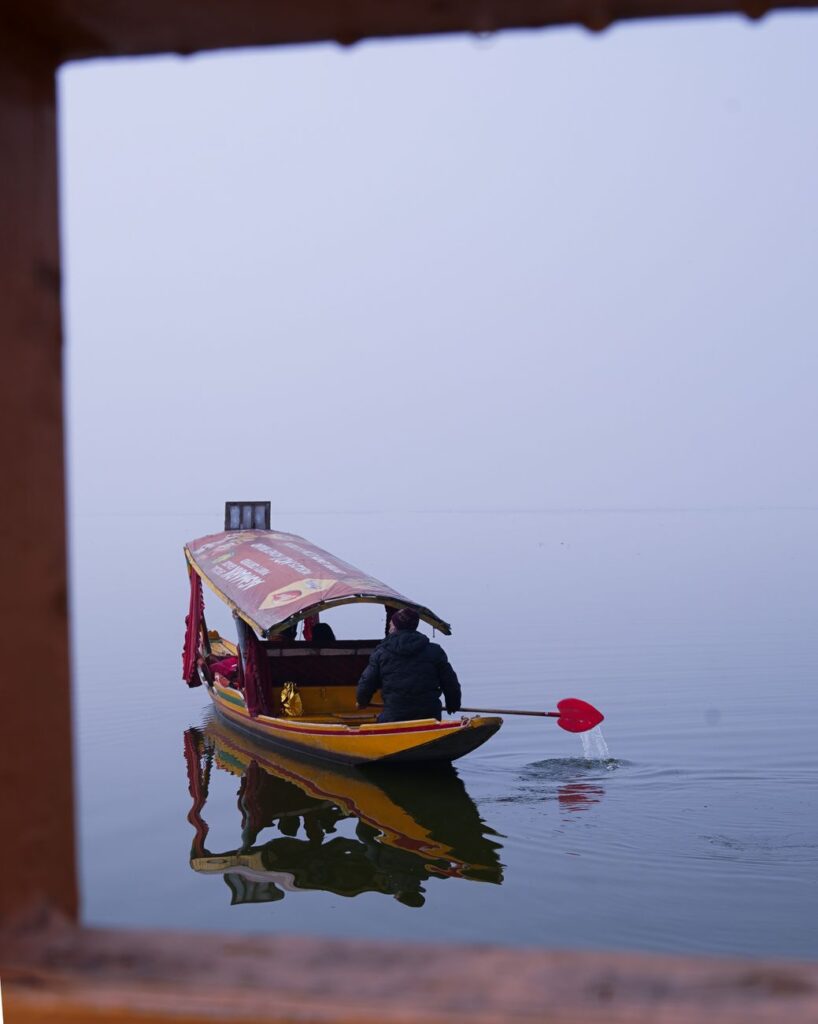
A Shikara is a traditional, flat-bottomed wooden boat that has been the soul of Kashmiri lake culture for centuries. These boats are hand-crafted, often decorated with carved canopies, colourful cushions, and ornamental curtains. They are propelled by a boatman using a distinctive heart-shaped paddle, which creates almost no noise or wake — making the entire experience feel extraordinarily peaceful.
Dal Lake itself covers approximately 18 square kilometres and is sometimes called the Jewel in the Crown of Kashmir. During a one or two-hour ride, you drift past floating vegetable gardens (locally called Raadh), centuries-old houseboats, lotus colonies, and open-air floating markets where vendors in smaller Shikaras approach you selling saffron, papier-mâché crafts, and fresh flowers. The backdrop is the Zabarwan mountain range, and on clear mornings the reflections on the water are almost surreal in their beauty.
The ride departs from Jetty No. 9, which is the most organised and visitor-friendly boarding point on the lake. Boatmen at this jetty are registered with local tourism authorities, which adds a layer of reliability for travellers who are cautious about quality.
Why the Shikara Ride Remains the Gold Standard
Having accompanied hundreds of travellers across Kashmir, I can say without hesitation that no single activity generates as much consistent delight as a morning Shikara ride. Here is why it consistently earns its reputation:
- Accessibility: No trekking fitness required, no age restriction, and suitable for families, honeymooners, and senior travellers alike.
- Value: At ₹700 per hour, it is cheaper than most city auto-rickshaw tours anywhere in India, yet delivers a world-class experience.
- Cultural depth: You observe a living ecosystem — the floating market, the life of houseboat families, the lotus pickers — that no museum or viewpoint can replicate.
- Photography: The soft light at dawn over Dal Lake is genuinely extraordinary. The two-hour option (₹1,500) gives photographers enough time to catch changing light conditions.
- Perfect rating: A 5/5 score across 1,500 verified reviews is an exceptional signal of consistent quality.
The Alternatives: Honest Comparisons
1. Nagin Lake Shikara Ride
Nagin Lake is often called Dal Lake’s quieter sister, connected to it by a narrow channel. It is less commercialised, which means fewer floating vendors approaching your boat — a blessing or a drawback depending on your temperament. The scenery is equally beautiful, with a more intimate feel. Pricing is broadly similar to Dal Lake rides. However, infrastructure at the boarding points is less organised than Jetty No. 9, and finding a reliable boatman independently can take more effort. For first-time visitors to Kashmir, Dal Lake remains the superior starting point; Nagin Lake suits repeat visitors or those specifically seeking solitude.
2. Wular Lake Boat Ride (Bandipora)
Wular Lake is one of the largest freshwater lakes in Asia, located about 60 kilometres north of Srinagar near Bandipora. It is a completely different proposition. The lake is vast and wind-prone, the shoreline is largely undeveloped, and the boat rides are more rustic than scenic. Wular appeals primarily to birdwatchers and nature enthusiasts rather than tourists seeking a leisurely cultural experience. There is no equivalent of the floating market, and the surrounding landscape, while dramatic, lacks the intimate Himalayan-reflection aesthetic of Dal. Travel time from Srinagar adds roughly 90 minutes each way. Worth a detour for wildlife lovers, but not a like-for-like replacement for a Dal Shikara ride.
3. Manasbal Lake Visit
Located approximately 32 kilometres north of Srinagar, Manasbal Lake is the deepest lake in Kashmir and is celebrated for its lotus bloom (typically June–August). Boat rides are available and the tranquillity is unmatched. However, it is not a day-trip staple for most Kashmir itineraries, organised boat services are minimal, and the overall tourism infrastructure is thin. Ideal as an add-on for travellers spending five or more days in the valley, but not a primary alternative to Dal Lake.
4. Houseboat Stay on Dal Lake
Staying aboard a traditional houseboat is often discussed as an “alternative” experience, but it actually complements rather than replaces a Shikara ride. Houseboats are anchored; they do not move. You will still want to board a Shikara to explore the lake. That said, staying on a houseboat means you have immediate access to the water and can take a Shikara ride at dawn before the tourist crowds arrive — which many travellers describe as a highlight of their entire trip to India. If budget allows, combine both rather than choosing one over the other.
5. Rafting on the Lidder River (Pahalgam)
White-water rafting on the Lidder River near Pahalgam is the adventure-seeker’s aquatic alternative in Kashmir. It offers genuine rapids (grades II and III depending on the season and stretch), stunning alpine scenery, and an adrenaline rush that a gentle Shikara ride does not attempt to provide. The experience is entirely different in character — loud, wet, and physical. Prices are comparable to a two-hour Shikara ride, roughly in the ₹600–₹1,200 range per person depending on the operator. If you are travelling with teenagers or adventure-oriented companions, include both activities in your Kashmir itinerary; they serve completely different moods and purposes.
6. Gondola Cable Car at Gulmarg
The Gulmarg Gondola is not a water experience at all, but it frequently appears in “alternatives” discussions because it competes for the same slot on a Kashmir itinerary — the single activity that defines the trip. The Gondola covers about 5 kilometres in two phases, climbing to approximately 3,979 metres and offering some of the most breathtaking Himalayan panoramas in the country. According to Jammu & Kashmir Tourism Development Corporation (JKTDC), it remains one of the most visited attractions in the state. Choosing between the two depends on your priorities: the Shikara ride is cultural, serene, and ground-level; the Gondola is dramatic, altitude-focused, and physically exhilarating. Ideally, a well-planned Kashmir itinerary includes both.
Side-by-Side Comparison Table
| Experience | Approximate Cost | Distance from Srinagar | Ideal For | Cultural Depth | Physical Effort |
|---|---|---|---|---|---|
| Shikara Ride, Dal Lake | ₹700 / ₹1,500 | City centre | All traveller types | Very High | None |
| Nagin Lake Shikara | Similar | ~5 km | Repeat visitors, solitude-seekers | Moderate–High | None |
| Wular Lake Boat Ride | Low–Moderate | ~60 km | Birdwatchers, nature lovers | Low | Low |
| Manasbal Lake | Low | ~32 km | Photography, lotus-season visits | Low–Moderate | Low |
| Houseboat Stay + Shikara | ₹3,000–₹15,000+ per night | City centre | Honeymooners, immersive stays | Very High | None |
| Lidder River Rafting | ₹600–₹1,200 | ~95 km (Pahalgam) | Adventure seekers, groups | Low | Moderate–High |
| Gulmarg Gondola | ₹900–₹1,500+ | ~56 km | Panoramic views, skiing (winter) | Low | Low–Moderate |
How to Book a Shikara Ride in Dal Lake
Booking is refreshingly straightforward. Here is a step-by-step process to ensure you get a reliable, fairly priced ride:
- Arrive at Jetty No. 9, Dal Lake, Srinagar. This is the designated, regulated boarding point at coordinates 34.1218° N, 74.8776° E. Most hotels and houseboats are within a short walk or auto-rickshaw ride.
- Select your duration. A one-hour ride (₹700) is sufficient to see the floating market, lotus beds, and houseboats. Two hours (₹1,500) allows a more relaxed pace and time for photography in changing light.
- Confirm the fare before boarding. Registered boatmen at Jetty No. 9 operate at standard rates, but always confirm the total price upfront to avoid any end-of-ride misunderstanding.
- Plan your timing. Operating hours are 06:00 AM to 06:00 PM. An early morning slot — ideally 06:00 to 08:00 — offers calm water, golden light, and the magical floating vegetable market in full swing.
- Carry small denomination notes. Boatmen often do not carry change for large bills. ₹100 and ₹500 notes are ideal.
- Book as part of a Kashmir tour package. If you are visiting on an organised trip, your ride can be pre-arranged at Jetty No. 9 and coordinated with other activities, saving time.
Best Time to Take a Shikara Ride in Dal Lake
Dal Lake rides are offered seasonally, and each season brings a genuinely different atmosphere:
- Spring (March – May): The lake is fringed with blossoming almond and cherry trees, and the surrounding gardens burst into colour. Water is calm and skies are usually clear. Widely considered the most beautiful season.
- Summer (June – August): Peak tourist season. The lake is covered in lotus blossoms — a spectacular sight. Book early in the morning to avoid crowds at the jetty. This is also when the floating vegetable market is most active.
- Autumn (September – November): Chinar trees surrounding the lake turn amber and gold. The air is crisp, visitor numbers begin to drop, and there is a melancholy beauty to the water that is particularly appealing to photographers and writers.
- Winter (December – February): Availability is reduced and some sections of the lake can partially freeze. The ride is a dramatically different experience — misty, serene, and hauntingly quiet. Not suitable for travellers sensitive to cold, but unforgettable for those prepared for it.
Practical Tips for First-Time Riders
- Wear layered clothing regardless of season — the water surface creates a persistent breeze that can feel cooler than the ambient temperature on shore.
- Bring sunscreen even on overcast days; reflected light off the water intensifies UV exposure.
- A lightweight waterproof bag or cover is useful to protect cameras and phones from splash, particularly if vendor Shikaras approach close alongside.
- Politely but firmly decline persistent vendors if you are not interested. A simple “Shukriya, nahi chahiye” (Thank you, I don’t need it) is understood and respected.
- Tipping your boatman is a thoughtful gesture. ₹50–₹100 above the agreed fare is customary and appreciated.
- If you are on a honeymoon, ask your boatman in advance to arrange flower petalson the boat cushions — many boatmen offer this as a small romantic touch at no extra charge.
What Visitors Are Saying
With over 1,500 reviews and a perfect 5/5 rating, the Shikara Ride in Dal Lake consistently earns superlatives from travellers across age groups and nationalities. Common themes in feedback include the extraordinary stillness of early morning water, the warmth and knowledge of local boatmen, the visual impact of seeing Himalayan reflections at close range, and the sense that time moves differently out on the lake. Honeymooners frequently cite it as the most romantic hour of their entire trip. Families travelling with children appreciate that it is entirely safe, relaxed, and endlessly interesting for young eyes encountering the floating market for the first time.
Photography and Visual Guide
Dal Lake rewards photographers at every hour, but certain compositions appear again and again in memorable Kashmir imagery. Look for these shots during your ride:
- The mirror reflection: On still mornings, the lake surface becomes a perfect mirror. Frame the Zabarwan hills or the distant Shankaracharya temple against their reflection for a symmetrical landscape shot.
- The vendor Shikara approach: When a flower seller or spice vendor paddles alongside you, the colour contrast between their wares and the dark water makes for vivid documentary photography.
- Lotus close-ups: Between June and August, lotus blooms at water level are stunning in macro. A standard smartphone camera handles this well in good light.
- The houseboat row: A wide-angle view of the lined wooden houseboats, with mountains behind, is one of the most recognisable images of Kashmir. It is best captured mid-lake, not from the shore.
- The boatman silhouette: At dawn, with the sun low behind you, your boatman’s silhouette against soft gold water creates a timeless, evocative image.
The ride’s official imagery is reflected at the coordinates 34.1218° N, 74.8776° E — use this location pin when sharing content on travel platforms to help other visitors find the correct jetty.
Frequently Asked Questions
How long should I take — one hour or two hours?
If this is your first visit to Dal Lake, the two-hour option at ₹1,500 is strongly recommended. One hour at ₹700 is sufficient for a taste, but two hours allows you to reach the more peaceful inner sections of the lake, spend unhurried time at the floating market, and have space for photography without feeling rushed.
Is a Shikara ride safe for children and elderly travellers?
Yes. The boats are stable, wide, and low to the water. The pace is entirely gentle. Children tend to be captivated by the floating market vendors who paddle alongside. Life jackets are available on request at the jetty and should be requested for young children as a precaution.
Can I negotiate the fare below ₹700?
The rates at Jetty No. 9 are standardised by local tourism guidelines. Attempting to negotiate significantly below ₹700 is generally unproductive and disrespectful to the boatmen, who depend on this livelihood. The price is already exceptional value for the experience provided.
What is the difference between a Shikara ride and staying on a houseboat?
A Shikara ride is an active, moving experience across the lake. A houseboat stay is accommodation — you sleep and live on a anchored, elaborately furnished wooden vessel. Most houseboat guests still take at least one Shikara ride; the two experiences are complementary, not interchangeable.
Is the floating market operating every day?
The floating vegetable market on Dal Lake operates daily in the early morning, typically from around 06:00 to 08:00 AM. It is most active in summer and spring. Arriving at Jetty No. 9 at opening time gives you the best chance of experiencing it in full swing.
Is the ride available in winter?
The ride is listed as seasonally available. In mild winters, rides continue, but extremely cold spells or partial freezing may suspend operations temporarily. It is always advisable to confirm availability locally before planning a winter visit specifically for this activity.
How do I reach Jetty No. 9 from Srinagar city centre?
Jetty No. 9 on Dal Lake is located in central Srinagar and is easily reachable by auto-rickshaw, taxi, or on foot from most hotels in the Boulevard Road area. If you are booking a Kashmir tour package, your operator will typically include transport to the jetty as part of the day’s itinerary.
Our Recommendation: Which Experience Wins?
For the vast majority of Kashmir visitors — whether first-timers, honeymooners, families, or seasoned travellers — the Shikara Ride in Dal Lake is non-negotiable. No alternative offers the same combination of cultural richness, scenic beauty, affordability, and accessibility in a single one-to-two-hour window. The perfect 5/5 rating across 1,500 reviews is not a fluke; it reflects a genuinely world-class experience that has been perfecting itself over generations.
That said, Kashmir is a vast and varied destination. A well-structured itinerary of five or more days can comfortably include a Dal Lake Shikara ride and a Gulmarg Gondola ascent and a Lidder River rafting session in Pahalgam — each filling a different emotional register of your journey. The lake is the heart; the mountains and rivers are the lungs. Together, they make Kashmir an experience unlike anywhere else on earth.
For further context on Kashmir’s tourism landscape, the official Jammu & Kashmir Tourism Department provides up-to-date seasonal advisories, registered operator lists, and destination guides that are useful when planning any trip to the valley.
Book Your Shikara Ride Today
Ready to glide across the waters of Dal Lake and experience Kashmir the way it was always meant to be seen? Call Kashmir Tour Packages Taxi at 9149531004 to book your Shikara ride, ask about availability, or get expert advice on combining it with other Kashmir attractions. The team is available to help you plan every detail — from Jetty No. 9 to the mountain passes — so your Kashmir trip is seamless, safe, and unforgettable.
Information current as of 2026. Operating hours, prices, and seasonal availability are subject to change. Always confirm details locally before travel.
Book this experience
📋 Get In Touch
Fill in your details — our team will confirm within 2 hours.

I'm Suhail Ahmad, born and raised in Srinagar. In 2022 I founded Kashmir Tour Packages Taxi — a licensed taxi and tour operator registered with the Jammu & Kashmir Tourism Department — because I saw too many visitors arrive in Kashmir with bad information, unreliable drivers, and no idea what was actually worth seeing.
Every article I write comes from personal experience on these routes: the correct season to visit Thajiwas Glacier, the checkpoints you'll cross on the way to Gulmarg, where the road to Betaab Valley gets narrow, what Amarnath Yatra pilgrims actually need to know before they book a taxi. I don't write from Wikipedia. I write from having driven these roads myself, with guests in the back seat.
Our fleet covers Srinagar, Gulmarg, Pahalgam, Sonamarg, Doodhpathri, Yusmarg, Amarnath, and long-haul routes to Leh and Jammu under All India Tourist Vehicle Permits. If something I've written about a route, price, or season seems off — call me directly on +91 9149531004. I answer that number myself.
- J&K Tourism Dept — Registered Tour Operator